Nobody Trains Alone
May is Mental Health Awareness Month.
There is a quiet reality that exists in every community, in every school, in every gym — and in every person who walks through the door.
Mental health challenges are common. More common than most of us realize, and far more common than the conversations we tend to have about them. Anxiety, depression, grief, burnout, isolation — these are not experiences reserved for a specific type of person. They can be carried by anyone: the person smiling across from you on the mat, the instructor who seems unshakeable, the teammate who always shows up early.
May is Mental Health Awareness Month. And for us at Gracie Barra, this is a moment worth pausing on — not just to acknowledge, but to reflect on what we can actually do.
More Than a Place to Train
For many students, walking into a Gracie Barra school becomes something much bigger than learning Jiu-Jitsu.
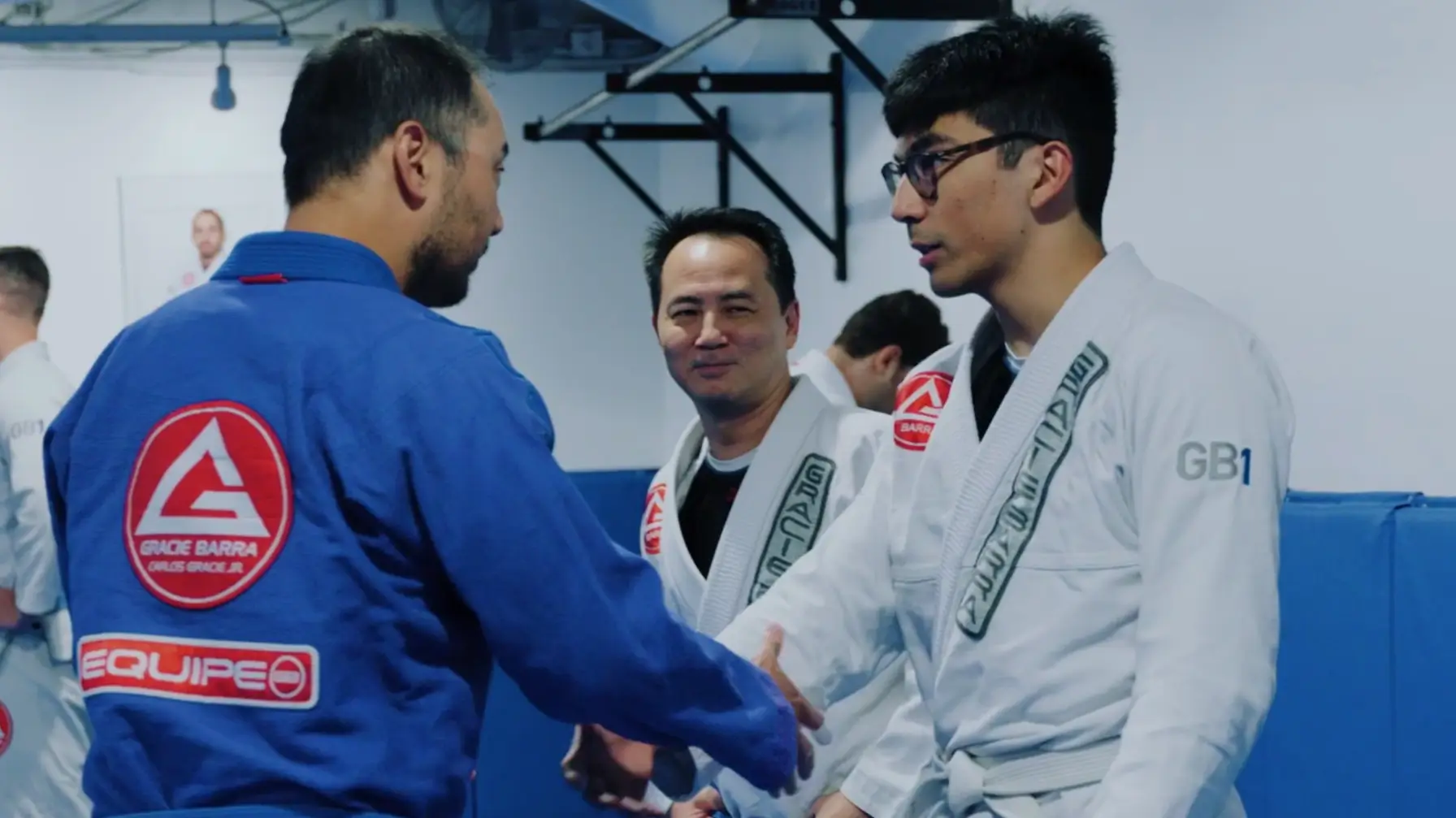
It becomes a place where people are welcomed by name. Where friendships are built that extend well beyond the mats. Where routine, structure, and purpose start to take shape in someone's week. Where someone notices when you haven't been around.
That last part matters more than it might seem.
In a world where isolation is quietly growing — where people can go days without a meaningful human interaction — the experience of being seen by another person carries real weight. A conversation after class. A training partner saving you a spot. Someone asking how you've been and actually waiting for the answer. These moments may seem small. They are not.
The Things We Don't Always See
One of the most important things to understand about mental health is this: struggle is rarely visible from the outside.
Behind accomplishments, confidence, leadership, and routine, people can be carrying burdens that others simply cannot see. That is not a weakness. It is part of being human. And it is why the culture we build inside our schools matters beyond what we teach on the mat.
We are not expected to be therapists. We are not expected to have the right words for every situation. But we can be the kind of people who pay attention. Who check in. Who create enough safety that someone feels less alone.
What You Can Actually Do
If someone in your life seems off — quieter than usual, withdrawn, or like they're going through something — trust that instinct. You don't need a script. Asking "Hey, how are you really doing?" and genuinely listening is more powerful than most people realize.
If you are the one struggling: you are not a burden for reaching out. Talking to a friend, a coach, or a mental health professional is a sign of strength — the same kind of strength Jiu-Jitsu asks of us every day.
And if you or someone you know is in crisis, support is available right now:
- 988 Suicide & Crisis Lifeline — call or text 988 (available 24/7) Crisis Text Line — text HOME to 741741
Brotherhood Beyond the Belt
Jiu-Jitsu teaches us that growth never happens in isolation. Every student develops through training partners, instructors, and the people who show up alongside them. Progress is built through trust, shared effort, and genuine human connection.
That truth extends far beyond the mats.
Nobody trains alone. And nobody should have to carry the weight of life alone, either. As we recognize Mental Health Awareness Month, let this be a reminder — and a commitment — to keep building the kind of community where people feel that connection.